
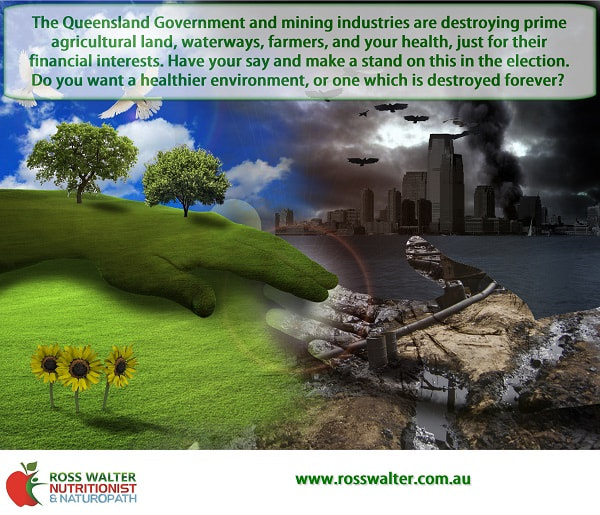
Recently I attended the Brisbane screening of a new Australian-made documentary on the environmental damage and health effects of "fracking", or "unnatural gas extraction" methods used in Australia and also around the world. The documentary, called "Pipe Dreams, Fractured Lives", was very well made by a 5th generation beef and lamb farmer from South Australia, David Smith. This is my review of this documentary.
David lives in a very productive rural farming area of SA, much like many similar food crop areas around Australia. Unfortunately, under the rich farming soils are small deposits of methane gas, trapped in rock or shale layers, which mining companies want to get and sell. One mining company constructed an exploration well searching for unconventional (shale) gas about 25km from his family farm. Later, the SA Labor government offered farmers a 10% share of the royalties they received if farmers allowed gas production on their land. Being a very diligent man, David went investigating fracking in detail, and this documentary is the result of his research and travels.
David interviewed many farmers in Australia and USA to find out the impacts or benefits of fracking on their lands and communities. He also interviewed many scientists, engineering professors, biology professors, a former petroleum boss, food and health science professors, and more. What he found and what they said absolutely shocked him.
Firstly, mining companies and their representatives were using lies and intimidation tactics to try to get farmers to sign up to having a gas well on their land. In some cases, miners were installing wells, even before a contract was signed. The intimidation, bullying, and threats of legal action against the farmers to sign up became all too much for some farmers, with at least one committing suicide as a result.
The mining companies promised thousands of dollars, and even millions in royalties to some farmers, when the miners knew that this was not possible. Unfortunately, many miners believed the promises, only to see a fraction of their promised income, due to low extraction rates, dodgy contract clauses, and that gas wells lose capacity quickly, often within 3 years.
To get to the gas trapped in rock or shale, many shafts are drilling either horizontally or vertically deep into the rock. The main problems with fracking are:
1) A lot of chemicals, chemical waste, radioactive waste, and water are pumped into the shafts to push out the gas which is collected. Approximately 50,000 to 120,000 litres of toxic waste is pumped into each well, diluted by a similar amount of water, and there can be up to 20 wells per pad. That's a LOT of chemicals contaminating the environment and destroying natural waterways and aquifers
2) A LOT of water is needed to dilute the waste being pumped into the rock, and about half of that water used comes back up as waste water, which poisons dams, the ground, and animals which drink it. Many farming communities have not been able to use their groundwater for over 10 years after having gas wells on or near their properties
3) Farmers pay for water rights from the aquifers, but when the miners come in, the farmers must reduce their allocation of water, of which most goes to the miners, who do not pay for their water rights at all
4) Methane gas (and other toxic gases) leaks out of poor quality pipes into the aquifers (an underground layer of water-bearing rock) so that water taken from the aquifer for farming or into farmers' houses can smell and taste of methane gas. This is obviously toxic to anyone or anything that uses it
5) Aquifers, when contaminated, are gone forever. There is no backup water in many farming areas. No water means no crops, no income for farmers, less food to communities, prices go up, and imports go up - not great for the economy or the environment
6) Methane gas has a much larger greenhouse gas footprint than that given off from burning coal by over 100 times. With the concerns many have over "climate change" or "global warming", why are we even looking at this fossil fuel, when there are better renewable alternatives?!
7) Many farms and properties around gas wells are worthless, and families have had to walk away from farms in these areas. One couple tried to get a loan from a bank, but this was denied when the bank found they had 4 gas wells on the property
8) State and federal governments are using old and outdated advice and information regarding the safety of fracking. When fracking was approved in Australia, there were very few research studies on the risks and damage it causes. Now there's over 1400 published studies showing the environmental damage and health effects. Farmers and communities are not being told about these
9) Mining companies are planning to build thousands of more gas wells in Qld, through more state forests and prime agricultural land, but much closer to coastal towns, which will have a larger impact on the environment and people nearby
10) Even if a farmer decides against gas wells on their property, there can be a lot of chemical and gas drift and noise from neighbouring farms which can impact their farm and their health. Environmental contamination doesn't stop at property boundaries
11) After signing up to gas wells and getting very little money from them, but getting all the environmental damage, many farmers found out that it would have been more profitable just farming their crops anyway
12) Within 100 years, all wells would have failed and broken down, releasing even more toxic chemicals into the air, water and environment.
Then the health issues were investigated in the documentary. The health impacts of gas wells can include the following symptoms:
- Blood noses
- Asthma and other respiratory conditions
- Burning eyes and mouth, and eye diseases
- Neurological symptoms of the brain and nervous system, including nerve damage and pain
- Mental health effects - depression, anxiety and psychiatric disorders
- Various cancers
- Infertility (in animal stock and humans)
- Sudden deaths of many head of stock
- Spleen and liver conditions, including enlarged organs and burst spleens
- Miscarriages, low birth weights and birth defects
- Skin rashes and lesions
- And many more symptoms.
The environmental and health damage of fracking is huge. The cost to farmers, farming land, and natural waterways is incalculable and likely permanent.
Prime agricultural land should be used for its intended purpose, and this purpose only! Allowing gas mining which brings massive environmental damage and health effects to animals and people is INSANE. If the farming land is affected by environmental damage, the cities will be affected too, with toxic food and water, no tourism, and many more problems.
Local, state and federal governments MUST listen to the people on the ground and stop hiding behind government departments or mining companies and their profits. People, food and the environment come first, before profits! No money in the world is worth more than your health.
Stand up to the miners and say "no thanks". Talk to your local, state and federal politician to let them know this damage to the environment and people must be stopped. The politicians are hiding the true damage to Australian farming areas and farming communities. Consider that some of the major political parties who have allowed this to happen, and their actions in this (and inactions) should be taken into account in the forthcoming elections.
For more information on the "Pipe Dreams, Fractured Lives" documentary, please have a look at their website here - http://www.pipedreamsfracturedlives.com.au/. Have a look for screenings of the documentary in your area, or you can request or organise a screening with David Smith.
We have to look after the health of our environment and all Australians too! We all depend on it.
David lives in a very productive rural farming area of SA, much like many similar food crop areas around Australia. Unfortunately, under the rich farming soils are small deposits of methane gas, trapped in rock or shale layers, which mining companies want to get and sell. One mining company constructed an exploration well searching for unconventional (shale) gas about 25km from his family farm. Later, the SA Labor government offered farmers a 10% share of the royalties they received if farmers allowed gas production on their land. Being a very diligent man, David went investigating fracking in detail, and this documentary is the result of his research and travels.
David interviewed many farmers in Australia and USA to find out the impacts or benefits of fracking on their lands and communities. He also interviewed many scientists, engineering professors, biology professors, a former petroleum boss, food and health science professors, and more. What he found and what they said absolutely shocked him.
Firstly, mining companies and their representatives were using lies and intimidation tactics to try to get farmers to sign up to having a gas well on their land. In some cases, miners were installing wells, even before a contract was signed. The intimidation, bullying, and threats of legal action against the farmers to sign up became all too much for some farmers, with at least one committing suicide as a result.
The mining companies promised thousands of dollars, and even millions in royalties to some farmers, when the miners knew that this was not possible. Unfortunately, many miners believed the promises, only to see a fraction of their promised income, due to low extraction rates, dodgy contract clauses, and that gas wells lose capacity quickly, often within 3 years.
To get to the gas trapped in rock or shale, many shafts are drilling either horizontally or vertically deep into the rock. The main problems with fracking are:
1) A lot of chemicals, chemical waste, radioactive waste, and water are pumped into the shafts to push out the gas which is collected. Approximately 50,000 to 120,000 litres of toxic waste is pumped into each well, diluted by a similar amount of water, and there can be up to 20 wells per pad. That's a LOT of chemicals contaminating the environment and destroying natural waterways and aquifers
2) A LOT of water is needed to dilute the waste being pumped into the rock, and about half of that water used comes back up as waste water, which poisons dams, the ground, and animals which drink it. Many farming communities have not been able to use their groundwater for over 10 years after having gas wells on or near their properties
3) Farmers pay for water rights from the aquifers, but when the miners come in, the farmers must reduce their allocation of water, of which most goes to the miners, who do not pay for their water rights at all
4) Methane gas (and other toxic gases) leaks out of poor quality pipes into the aquifers (an underground layer of water-bearing rock) so that water taken from the aquifer for farming or into farmers' houses can smell and taste of methane gas. This is obviously toxic to anyone or anything that uses it
5) Aquifers, when contaminated, are gone forever. There is no backup water in many farming areas. No water means no crops, no income for farmers, less food to communities, prices go up, and imports go up - not great for the economy or the environment
6) Methane gas has a much larger greenhouse gas footprint than that given off from burning coal by over 100 times. With the concerns many have over "climate change" or "global warming", why are we even looking at this fossil fuel, when there are better renewable alternatives?!
7) Many farms and properties around gas wells are worthless, and families have had to walk away from farms in these areas. One couple tried to get a loan from a bank, but this was denied when the bank found they had 4 gas wells on the property
8) State and federal governments are using old and outdated advice and information regarding the safety of fracking. When fracking was approved in Australia, there were very few research studies on the risks and damage it causes. Now there's over 1400 published studies showing the environmental damage and health effects. Farmers and communities are not being told about these
9) Mining companies are planning to build thousands of more gas wells in Qld, through more state forests and prime agricultural land, but much closer to coastal towns, which will have a larger impact on the environment and people nearby
10) Even if a farmer decides against gas wells on their property, there can be a lot of chemical and gas drift and noise from neighbouring farms which can impact their farm and their health. Environmental contamination doesn't stop at property boundaries
11) After signing up to gas wells and getting very little money from them, but getting all the environmental damage, many farmers found out that it would have been more profitable just farming their crops anyway
12) Within 100 years, all wells would have failed and broken down, releasing even more toxic chemicals into the air, water and environment.
Then the health issues were investigated in the documentary. The health impacts of gas wells can include the following symptoms:
- Blood noses
- Asthma and other respiratory conditions
- Burning eyes and mouth, and eye diseases
- Neurological symptoms of the brain and nervous system, including nerve damage and pain
- Mental health effects - depression, anxiety and psychiatric disorders
- Various cancers
- Infertility (in animal stock and humans)
- Sudden deaths of many head of stock
- Spleen and liver conditions, including enlarged organs and burst spleens
- Miscarriages, low birth weights and birth defects
- Skin rashes and lesions
- And many more symptoms.
The environmental and health damage of fracking is huge. The cost to farmers, farming land, and natural waterways is incalculable and likely permanent.
Prime agricultural land should be used for its intended purpose, and this purpose only! Allowing gas mining which brings massive environmental damage and health effects to animals and people is INSANE. If the farming land is affected by environmental damage, the cities will be affected too, with toxic food and water, no tourism, and many more problems.
Local, state and federal governments MUST listen to the people on the ground and stop hiding behind government departments or mining companies and their profits. People, food and the environment come first, before profits! No money in the world is worth more than your health.
Stand up to the miners and say "no thanks". Talk to your local, state and federal politician to let them know this damage to the environment and people must be stopped. The politicians are hiding the true damage to Australian farming areas and farming communities. Consider that some of the major political parties who have allowed this to happen, and their actions in this (and inactions) should be taken into account in the forthcoming elections.
For more information on the "Pipe Dreams, Fractured Lives" documentary, please have a look at their website here - http://www.pipedreamsfracturedlives.com.au/. Have a look for screenings of the documentary in your area, or you can request or organise a screening with David Smith.
We have to look after the health of our environment and all Australians too! We all depend on it.

 RSS Feed