
This is Part 2 of my "Calories are unscientific, ridiculous, and should never be used" article! (See my post of yesterday for Part 1).
One of many issues with nutrition science is the concept of a calorie, and using calories as a ridiculous measurement of how healthy a food is, or the effects of the foods on the body. The model of using calories is often referred to the Calories In-Calories Out or CICO model. This is explained as the number of calories measured in your food intake vs the calories expended or used in exercise.
Here are many, many reasons why the CICO model is complete BS, including all the following:
If anyone recommends that you should count your calories, or choose your food based on calories, especially for weight loss, then run away!
As you can see from above, there are a LOT of reasons why calories are irrelevant, useless, unscientific, and not representative of how foods and nutrients get used in your body!
Be informed. Be healthy!
One of many issues with nutrition science is the concept of a calorie, and using calories as a ridiculous measurement of how healthy a food is, or the effects of the foods on the body. The model of using calories is often referred to the Calories In-Calories Out or CICO model. This is explained as the number of calories measured in your food intake vs the calories expended or used in exercise.
Here are many, many reasons why the CICO model is complete BS, including all the following:
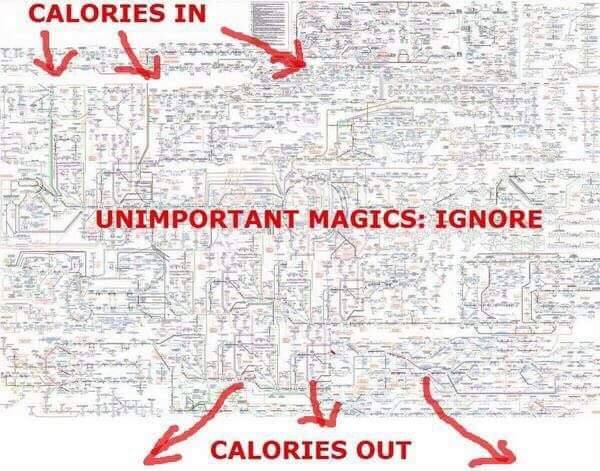
- Calories of metabolic processes are different in each person, and can't be measured anyway - only the alleged food intake can be measured and the exercise done - what about all the energy consumed or produced by other metabolic processes, re-use of nutrients, re-absorption of nutrients, and waste products (from breath, sweat, urination and poo)?
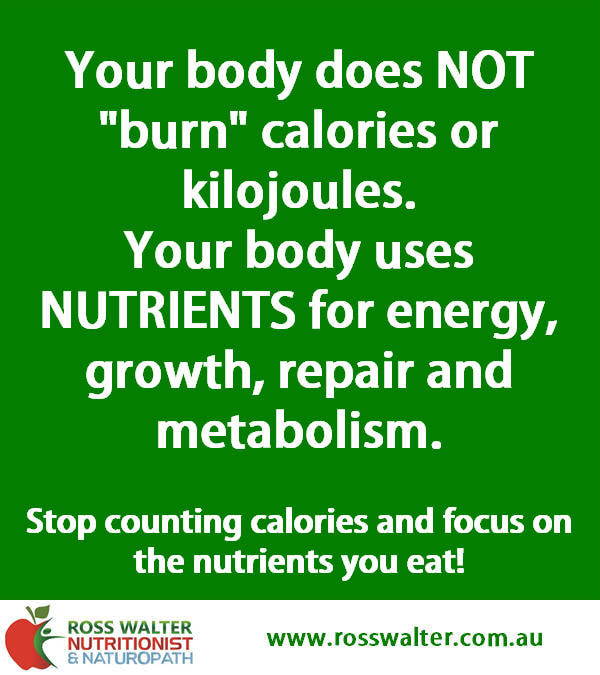
- How is a "calorie" used in the body?! What are the biochemical reactions which use calories?! (Answer: none)
- The CICO model does not take into account each person's own metabolic rate, typically driven by their thyroid gland. Someone with a low functioning thyroid will have a tendency to have low energy, slow metabolism and easy weight gain, but difficulty losing weight, even on a healthy diet
- The CICO model assumes that physiological mechanisms or environmental factors or other biochemical hormones have no impact on energy balance - that it is all based on how foods are "BURNED"
- CICO does not distinguish between "good" calories and "bad" calories. We all know an apple is better and healthier than a choc-chip cookie... but a cookie may have the same or less calories?!
- In the CICO model, they forget to include how many calories are produced or needed to digest that food. For example, a lollipop might take 10% of its calories to be used by the body, but a steak can use 30% of its alleged calories to be digested
- The CICO model suggests that 500 calories from brownies is just as fattening as 500 calories of kale! It's just ridiculous!
- A low calorie food does not imply that it is healthy for you, and a high calorie food also does not imply that the food is unhealthy
- Similar to good vs bad calories, the CICO model does not look at nutrient density of the foods, or their macronutrient breakdown into protein vs carbs vs fats or vitamins and minerals, or how the nutrients in the food affect your body in good or bad ways
- CICO assumes everyone is the same, or that the energy output from a calorie in one person is the same as for another, which is not possible
- With the CICO model, artificial sweeteners with zero calories (but are known to cause metabolic dysfunction, diabetes, weight gain and cancer) are allegedly better for you than high calorie healthy fats or an avocado for example?!
- CICO assumes that the body "oxidises calories" in the same way and amount as in a bomb calorimeter (and at sea level etc, in the definition of a calorie)
- CICO assumes that EVERYTHING you eat is going to be digested and absorbed, with NO waste! CICO does not take into account the "energy" or heat of your poo for example!
- CICO doesn't take into account the adaptive metabolic processes in each person - someone MAY lose weight in the short term on a low calorie diet, but then due to hormones, thyroid changes, and other factors, weight loss can stall or plateau and then increase again due to the "starvation" effect and the adaptive slowing of metabolic processes to conserve energy for longer-term survival
- Maintaining a healthy weight and good health is more about WHAT someone eats, not how much (or little) they eat based on calories
- Weight gain is about over-storage of excess foods (or types of foods) not on over-eating of those foods or calories. One person eating the same foods as another will store more of those foods, while someone else will be using the foods for metabolism
- Muscles needs more NUTRIENTS for the muscle health and function, and hence more nutrients from foods are used instead of being stored as body fat
- A typical Keto/ketogenic diet has more calories than a low-fat diet, yet people on a keto diet will lose more weight (as body fat), more consistently, and for longer than someone on a low fat (ie, high calorie) diet
- Since the 1960s we have been told that we need to be more aware of the calories we eat and to reduce high calorie foods - which means cutting fats as they have the most calories per gram. Look where that got us - with the highest rates of obesity, diabetes, heart disease, cancers, and other chronic inflammatory conditions ever in history
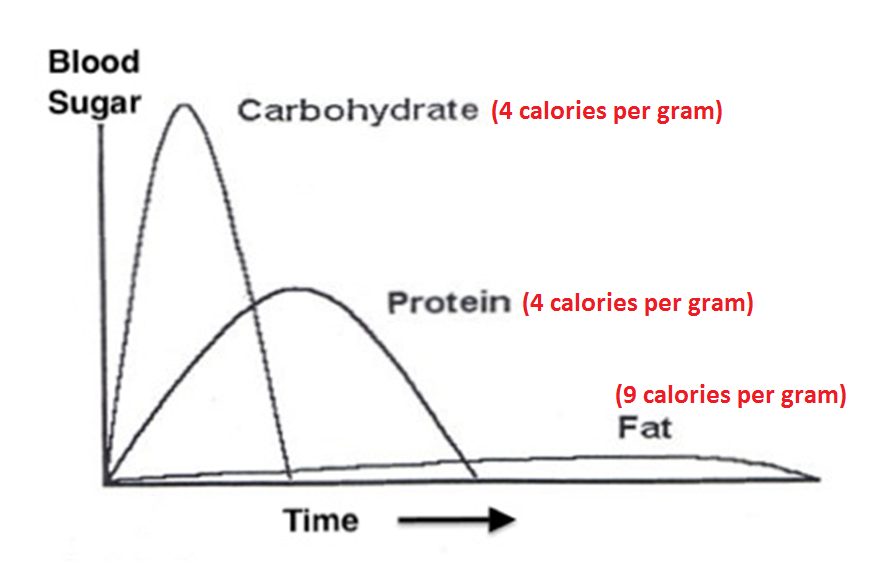
- Proteins suppress appetite to make you eat less, but carbs do the opposite, yet they have the same calorific value
- Healthy fats suppress appetite for longer than proteins, yet they have the highest number of calories
- Low carb diets (generally higher calories from more fats) lead to more weight loss than low fat diets (lower calories) in many published studies
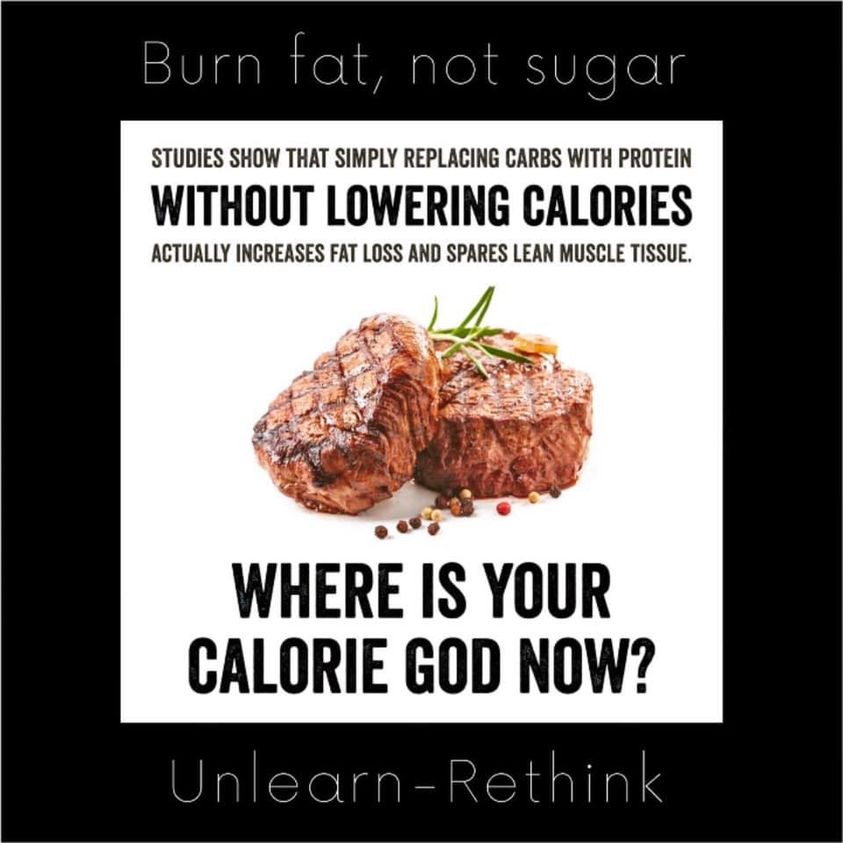
- Carbohydrates and proteins have the same calorie value at 4 calories per gram. But replacing carbs with the same amount of protein, as shown in many studies, will result in weight loss from reduced fat stores, and sparing or improving muscle mass. Hence again, weight loss has NOTHING to do with calories of the foods you eat
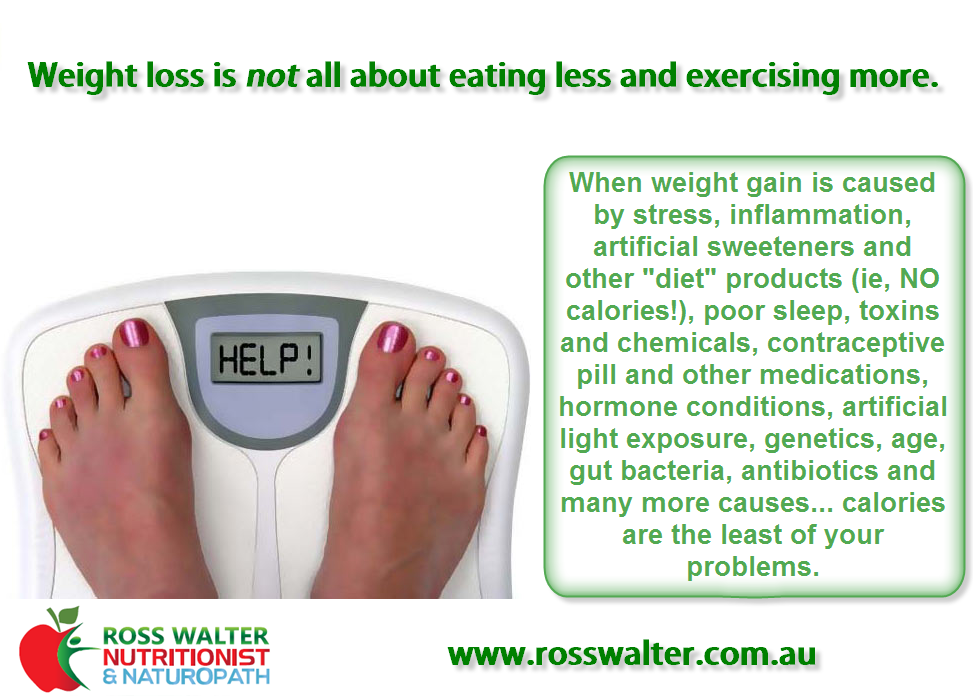
- The CICO model blames the individual for eating too much or not exercising enough, when there are MANY factors and hormones which are causing their weight gain, or preventing the usage of the fat stores for energy.
If anyone recommends that you should count your calories, or choose your food based on calories, especially for weight loss, then run away!
As you can see from above, there are a LOT of reasons why calories are irrelevant, useless, unscientific, and not representative of how foods and nutrients get used in your body!
Be informed. Be healthy!
 RSS Feed